

24*7 access anytime anywhere









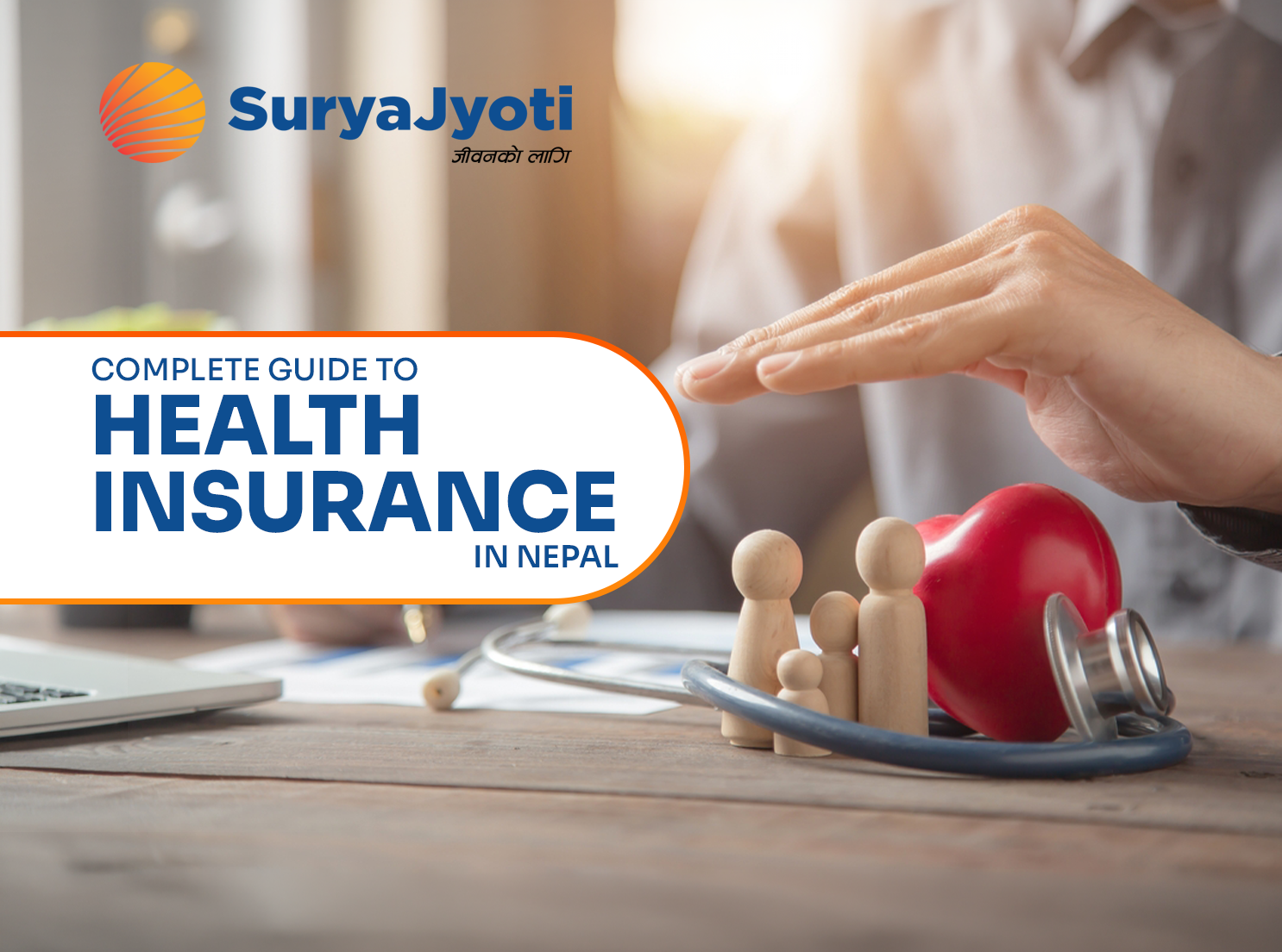
Over the last few years, healthcare expenditures in Nepal have been growing rapidly. Medical costs can easily run out of control, whether it is a simple consultation or a complicated surgery. A single hospital visit can cost thousands of rupees, while critical treatments can run into lakhs, putting serious pressure on savings.
Under these circumstances, possessing Health Insurance in Nepal is no longer a good idea in terms of financial needs, but it has become an absolute need. Health insurance offers you a safety net which can save you against any sudden medical bills and also guarantee you quality healthcare when you need it the most.
Medical emergencies may strike any family, working professional, or even student with no prior notice. Such situations may result in debt or financial instability without proper financial protection. This is the reason why increasing numbers of people are resorting to insurance companies that are referred to as a reputed insurer in Nepal to assure their future and to remain calm.
Health insurance is an agreement between you and an insurance company. In such an arrangement, you pay a fixed sum known as a premium, and in case of a medical bill, the insurer takes up the bill according to the terms of the policy.
Here’s a simple breakdown:
You select a health insurance cover.
Make monthly/annual premiums.
In case of becoming ill or the need to be hospitalised:
The hospital receives the payment directly made by the insurer (cashless).
Or pay your bills once you are treated.
This system will also make sure that you will not be left with the full financial burden in case of a medical emergency.
Medical insurance Nepal plans are tailored to meet the various needs of the people in Nepal; be it the needs of an individual, a family or an employee.
Even simple operations may cost you a few dollars monthly, and the serious ones may ruin years of your savings.
Among the largest benefits of health insurance is the fact that the family is saved from financial shocks.
Through adequate health coverage in Nepal, you will be able to do so by making sure that your loved ones get the best care without thinking about finances.
The government hospitals are cheap, yet they have several issues that take the form of overcrowding, a lack of sufficient equipment, and long queues.
The participation of the private health insurance in Nepal assists in closing this gap by providing people with better facilities.
Such diseases as diabetes, high blood pressure, and heart issues are on the rise. Such conditions may cost a lot without insurance, and only regular medical care and emergency treatment are quite costly.
The number of health insurance plans Nepal has today is multiple, and they are meant to address various needs, budgets and life circumstances.
The selection of the type of plan is determined by age, family set-up, income, and health status.
With this knowledge, you will be able to select the appropriate health coverage in Nepal to suit your family, as well as yourself.
Individual health insurance is planned to cover one person under one policy. The life expectancy, lifestyle, and health history are used to calculate the premium and benefits. It is a versatile plan when it comes to self-protection.
This kind of plan is particularly appropriate for people who prefer a dedicated coverage, but do not want to include family members.
To illustrate, an individual plan with NPR 5 lakh coverage may be a choice of a person like Ramesh, who is in his mid 20s of age.
In case he has an urgent medical problem, such as appendicitis, and he needs surgery, he will be discharged, examined, and treated at a hospital, which is included in his insurance, and he does not have to pay a substantial sum of money.
The reason behind the individual medical insurance Nepal plans is the convenience of having their own independent and trustworthy cover.
These family health insurance Nepal are the best plans suitable for families, and for those with children, a Child Plan ensures their health and medical needs are covered from an early age.
One shared sum insured is obtained by all the members rather than having plans individually.
The method is very convenient and economical. As an example, Sita can select a family plan of NPR 10 lakh cover for her household.
Within a year, when one of the family members has to be hospitalised with dengue, and another has a minor operation, both facilities may be insured by the same policy without having to be insured separately.
These family health insurance Nepal are the best plans suitable for families that would prefer to have an inclusive coverage and save money effectively.
Organisations give their employees employer or group insurance as part of the benefits package.
It is an easy alternative because the person does not have to buy the policy himself/herself and the premium is also normally low, or it is paid all by the employer.
Nevertheless, this is usually restricted and conditioned with employment. As an example, Anil can be insured in the group insurance of his company with an NPR 3 lakh cover.
In case he meets with an accident, his treatment cost is covered by the insurer. However, this coverage ceases as soon as he moves out of the organization and he would be uncovered unless he has a personal policy.
This is the reason why employer-provided health coverage in Nepal alone is not always a sure way of long-term cover.
Critical illness insurance focuses on severe conditions like cancer, heart attack, or kidney failure. SuryaJyoti Life Insurance offers a Critical Illness Rider that can be added to life insurance policies.
This rider provides a lump sum payout upon diagnosis, allowing policyholders to cover treatment, recovery, or daily expenses without financial worry.
It brings peace of mind during difficult times and complements life insurance, ensuring financial stability alongside health protection.
As an illustration, Maya has a critical illness policy, which is worth NPR 15 lakh, and she is diagnosed with a severe disease; the payout is received straight.
This financial aid will enable her to concentrate on the treatment and not worry about medical expenses or missing an income stream in the process of recovery.
The availability of such health insurance in Nepal is especially appreciated since it brings not only financial stability to one's life but also in one of the toughest moments.
To ensure that basic healthcare services become more affordable to the citizens of the country, the Government of Nepal has established health insurance programs.
Such plans are also useful in the case of those people and families who have low incomes.
An example is that Hari can join a government health insurance program where he pays a modest amount of money annually.
The program allows him to get treatment in the designated hospitals when he gets ill. Nevertheless, the coverage might not be adequate in case he needs intensive or specialised care.
This points out the fact that despite how important government schemes are, they might not have the kind of coverage comparable to that of private health insurance plans in Nepal, so it is always worth considering what you need.
Understanding the advantages of health insurance in Nepal will help you appreciate its true value.
Cashless treatment is one of the largest. Admission to network hospitals is free of charge. The bill is paid by the insurer itself.
Health insurance covers:
Room charges
ICU expenses
Surgery costs
Medicines
Pre and Post Hospitalisation.
Numerous policies cover both in-hospital and out-of-hospital care, such as:
Diagnostic tests
Follow-up consultations
Medicines
Financial Security
A medical crisis can ruin your whole financial scheme without insurance. Having insurance means that you will not lose your savings.
The certainty that you are covered will enable you to concentrate on getting better rather than being concerned with the cost.
In case your financial future is in danger, you can always consider taking an insurance policy that is capable of accommodating your personal and family needs.
Before choosing a policy, it’s important to understand what is included.
Hospitalization costs
Surgeries
Emergency treatments
Diagnostic tests
Doctor consultations
Pre-existing diseases (initial waiting period)
Cosmetic procedures
Self-inflicted injuries
Certain illnesses during the waiting period
Always read the policy terms carefully to avoid misunderstandings.
The cost of health insurance in Nepal depends on multiple factors.
Younger individuals pay lower premiums, while older individuals may pay higher premiums due to increased risk.
Higher coverage leads to higher premiums.
Pre-existing illnesses may increase premiums or require waiting periods.
Smoking or unhealthy habits can affect pricing.
Family health insurance Nepal plans may cost more but offer better value.
Average Cost
Basic plans: NPR 3,000–10,000/year
Mid-range plans: NPR 10,000–25,000/year
Premium plans: Higher, depending on coverage
The selection of the most suitable health insurance in Nepal is not only about the selection of the policy with the minimum premium, but is about the ability to strike the right balance regarding the coverage, cost and reliability.
When choosing a plan, consider:
Coverage Amount: Ensure it can cover major treatments and future health inflation.
Network Hospitals: Check for accessibility and quality of hospitals included.
Claim Settlement Ratio: A reliable insurer should have a high ratio and fast approvals.
Premium vs Benefits: Avoid only choosing the cheapest plan; balance cost with coverage.
Add-ons and Features: Options like no-claim bonuses, critical illness riders, free checkups, and ambulance coverage can enhance protection.
Combining health insurance with life insurance riders like SuryaJyoti’s Critical Illness Rider ensures comprehensive protection for both medical emergencies and long-term financial security.
Many people in Nepal often confuse health insurance with life insurance. While both are essential, they serve completely different purposes.
Understanding the difference helps you build a more secure financial plan.
Health insurance focuses on covering medical expenses.
Pays for hospitalisation, treatments, and surgeries
Helps manage healthcare costs
Provides financial support during illness or accidents
For example, if you are hospitalised due to illness, your health insurance will cover the medical bills, reducing your financial burden.
On the other hand, provides financial protection to your family, with Term Plan options offering pure coverage tailored to your needs, including individual, group, and foreign employment plans.
Pays a lump sum amount after the policyholder’s death
Helps family members manage expenses and future needs
Focuses on long-term financial security
For instance, if the primary earning member passes away, life insurance ensures that the family remains financially stable.
Health insurance manages medical costs, while life insurance with a critical illness rider secures your family and financial future.
Health insurance protects you during your lifetime, while life insurance, such as an Endowment Plan, helps secure long-term savings for your family’s future.
A strong financial plan should always include both:
Health insurance: for medical emergencies
Life insurance: for long-term family security
Selecting the right insurance provider is just as important as choosing the policy itself. A good insurer ensures that your claims are processed smoothly, your queries are handled quickly, and your overall experience is stress-free.
When making your decision, it is always wise to go with a trusted insurer in Nepal that has a strong reputation for reliability, transparency, and customer service.
The cost of health care in Nepal is escalating too fast, and there can be a medical crisis that can strike at any moment. Having a safety net is very important in health insurance because you are assured of good care without compromising on your finances. Through the appropriate plan, you are able to secure yourself, your family, and your financial security in the future.
Nevertheless, the administration of health risks is not limited to the day-to-day medical bills. Such serious conditions as cancer, heart disease, or kidney failure can become a huge monetary burden. This is where the life insurance with riders, e.g. SuryaJyoti Life Insurance Critical Illness Rider, becomes invaluable. It will fund you with a lump sum payout upon diagnosis, meaning you will be able to concentrate on treatment and recovery without worrying about money.
Health insurance is used in conjunction with life insurance riders, which will provide thorough coverage, including both routine medical insurance and serious illnesses. This dual would guarantee you your present and, at the same time, obtain your future financial security as well as your family.
It is time to act now, in case you are thinking of getting insured. Weigh alternatives, know what you need and find long-term insurance solutions, which offer long-term security and comfort.
The best plan depends on your needs, budget, and coverage requirements. Look for strong hospital networks and claim support.
It can range from NPR 3,000 to NPR 25,000+ annually, depending on coverage and age.
Yes, due to rising medical costs and limited public healthcare facilities.
It covers hospitalisation, surgeries, medicines, diagnostic tests, and related medical treatments.



 Services



 Transparency Dashboard